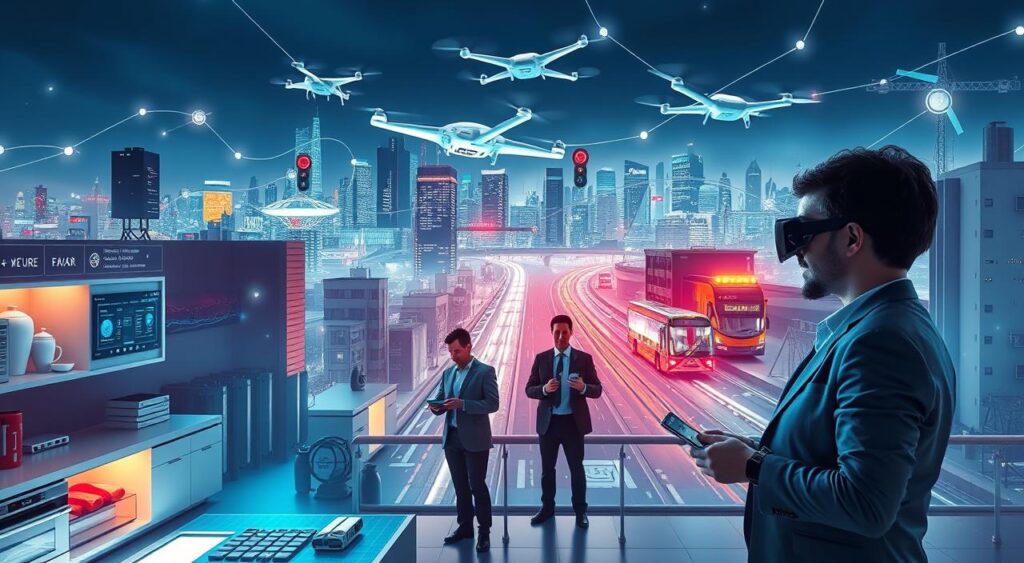
In today’s world, cybersecurity is very important. We use new tech more and more. But, this means we face more cyber dangers. It’s key to know how to use these techs safely to keep our data safe.
Digital safety is very important. With more work online and online shopping, we face more cyber attacks. This article will show you how to stay safe with new tech.
Key Takeaways
- Understanding the basics of cybersecurity
- Best practices for digital safety
- How to protect yourself from cyber threats
- Safe usage of new technologies
- Importance of staying informed about cyber risks
The Digital Revolution in the Philippines
The Philippines is changing fast because of more people using mobile internet. This has made it easier to connect and find information. But, it also makes us worry about keeping our data safe.
Current Technology Adoption Trends
More and more people in the Philippines are using mobile internet. This is shown in recent statistics.
Mobile Internet Usage Statistics
Now, over 60% of people in the Philippines use mobile internet. Most of them use their phones to go online.
| Year | Mobile Internet Penetration |
|---|---|
| 2020 | 55% |
| 2022 | 65% |
Popular Digital Platforms
Filipinos love using social media like Facebook and TikTok. They also use online shopping sites. These sites are a big part of our daily lives.
“The rise of digital platforms has transformed the way Filipinos live, work, and interact with one another.”
Recent Cybersecurity Incidents
Even with the good things about digital, the Philippines has seen big cyber attacks.
Notable Data Breaches
Some big data breaches have hit Filipino companies. These have put user info at risk. It shows we need strong security.
Common Attack Vectors
Cyber attackers use tricks like phishing and malware. They try to get into systems and steal data.
- Phishing attacks
- Malware infections
- Exploitation of software vulnerabilities
Knowing about these dangers helps us stay safe online in the Philippines.
Understanding the Risks of Emerging Technologies
Emerging technologies like artificial intelligence and the Internet of Things (IoT) are changing our lives. They bring new risks that we must face to use them safely.
Data Privacy Vulnerabilities
One big risk is data privacy. These technologies collect lots of personal data. This makes data breaches and misuse more likely.
Personal Information Exposure
Personal info can get exposed. Emerging tech needs access to our personal data. If not safe, this data can fall into wrong hands. For example, IoT devices can be hacked, revealing our info.
Third-Party Data Sharing
Sharing data with third parties is risky. Many new techs use services that don’t protect data well. This can put our info at risk.
“The Cambridge Analytica scandal showed us the dangers of sharing data with others. We need strong data protection.”
Cybersecurity Threats
Cyber threats are a big worry with new tech. These threats can attack through new ways.
Malware and Ransomware
Malware and ransomware are serious threats. Malware can harm our devices. Ransomware locks our data, asking for money to unlock it.
Phishing and Social Engineering
Phishing and social engineering trick us. They use tricks to get our info or access to systems.
| Cybersecurity Threat | Description | Impact |
|---|---|---|
| Malware | Software designed to harm or exploit devices | Device compromise, data loss |
| Ransomware | Malware that demands a ransom for data access | Data lockout, financial loss |
| Phishing | Social engineering to trick users into divulging information | Data theft, financial loss |
Physical Safety Considerations
Physical safety is key with new tech. For example, self-driving cars and drones raise safety concerns. We need safety rules for these.
It’s important to know the risks of new tech. By tackling data privacy, cyber threats, and physical safety, we can use these techs safely and wisely.
Smartphone and Mobile Device Safety
Mobile devices are now a big part of our lives in the Philippines. It’s very important to keep them safe. We store personal data on these devices.
Securing Android and iOS Devices
Android and iOS devices have special security features. For Android, Google Play Protect scans apps for malware. iOS has Face ID and Touch ID for safe login.
Essential Security Settings
Turn on screen locks and update your devices often. For Android, use Find My Device. iOS users can use Find My iPhone.
Software Update Best Practices
Keep your devices updated. Enable auto updates for your OS and apps. This keeps your security up to date.
Safe App Installation Guidelines
Only get apps from Google Play Store and Apple App Store. Check reviews and the developer’s info to spot real apps.
Recognizing Legitimate Applications
Good apps have clear info, show who made them, and ask for the right permissions.
Permission Management
Be careful with app permissions. Limiting what apps can do helps keep your data safe.
Mobile Payment Protection in the Philippines
Mobile payments like GCash and PayMaya are popular. Use two-factor auth and watch your accounts for safety.
GCash and PayMaya Security
GCash and PayMaya have PINs and alerts for transactions. Know how to use these features.
Banking App Safety
Keep your banking apps safe. Make sure your device is secure and keep your login info private.
Social Media Security Measures
Social media is big in our lives. It’s important to keep it safe. In the Philippines, many people use it, which means more chances for bad things to happen.
Facebook and TikTok Privacy Settings
It’s key to set your privacy right on Facebook and TikTok. Check your settings often. This way, you control who sees your stuff.
Account Lockdown Procedures
If your account gets hacked, act fast. Change your password and use two-factor authentication. This stops bad guys from getting in.
Content Sharing Limitations
Be careful who sees your posts. Don’t share too much. Set your privacy to keep your stuff safe.
Recognizing Online Scams and Misinformation
Knowing scams and fake news is important. Watch out for bad links and check facts before you share.
Red Flags in Social Media Content
Look out for spelling errors and too-good-to-be-true offers. These are signs of scams.
Verification Techniques
Make sure info is real. Check who posted it and compare with other sources.
Digital Footprint Management
Keep your online presence safe. Think about what you post and how it might affect you.
| Platform | Privacy Setting | Action |
|---|---|---|
| Two-Factor Authentication | Enable | |
| TikTok | Private Account | Enable |
| General | Regularly Review Settings | Active |
Technology and Innovation Safety for Remote Work
Remote work is becoming more common in the Philippines. It’s important to keep work and personal data safe. Cyber threats and data breaches are risks when working from home.
Secure Home Network Configuration
A secure home network is key to fighting cyber threats. Setting up your router right is a good start.
Router Security Settings
Change your router’s default password to keep it safe. Use WPA3 encryption to keep intruders out.
Wi-Fi Protection Standards
Use WPA3 for your Wi-Fi. Update your router’s firmware often to stay safe.
VPN Implementation for Filipinos
A VPN adds security when you’re online. It’s great for those who handle sensitive info.
Selecting Reliable VPN Services
Pick a VPN that’s trusted and has good encryption. Look at server locations, speed, and support.
Configuration Best Practices
After picking a VPN, set it up right. Turn on two-factor authentication and keep your software updated.
Secure Video Conferencing
Video calls are important for remote work. But, they can be risky if not used carefully.
Zoom and Google Meet Safety
For Zoom and Google Meet, use unique meeting IDs. Enable waiting rooms and lock meetings to keep them safe.
Preventing Unauthorized Access
Always use the latest video call software. Be careful with screen sharing to avoid sharing secrets.
By following these steps, Filipinos can make their remote work safer. This protects their personal and work data.
Smart Home Device Security
Smart home devices are getting more common in the Philippines. It’s very important to keep them safe. These devices are handy but can be risky if not handled right.
IoT Device Protection Strategies
Keeping IoT devices safe needs a few steps. Two key steps are changing default passwords and updating firmware.
Default Password Management
Changing default passwords stops hackers. Use strong, unique passwords for each device.
Firmware Update Protocols
Updating firmware keeps devices safe. Enable automatic updates when you can.
Securing Voice Assistants
Voice assistants like Alexa and Google Home are getting popular. But, they can also be a security risk. It’s important to set up privacy controls and secure voice purchases.
Privacy Controls for Alexa and Google Home
Check and change privacy settings often. Disable unused features to collect less data.
Voice Purchase Protection
Turn on voice purchase protection to stop unauthorized buys. Use a PIN or password for buying things.
Network Segmentation for Smart Homes
Segmenting your network helps keep it safe. Isolate IoT devices on a separate network to lower risks.
By using these tips, Filipino homeowners can make their smart homes much safer. A cybersecurity expert said, “Segmenting your network is like putting a lock on your IoT devices; it doesn’t prevent the lock from being picked, but it makes it much harder for an attacker to get to other valuable data on your network.”
Protecting Children in the Digital Age
Digital technologies are changing fast. Filipino parents need to keep their kids safe online. It’s important to use good strategies to protect them.
Age-Appropriate Technology Access
It’s key to give kids the right tech at the right age. This means setting limits on what they can see and do online.
Screen Time Management
Too much screen time is bad. Parents can use tools to keep an eye on how much time kids spend online. This helps them stay balanced.
Content Filtering Solutions
Using content filtering solutions helps block bad content. Most devices have settings to help with this.
Parental Control Implementation
Good parental control implementation means using tools to watch and manage what kids do online. This includes setting limits on devices and apps.
Device-Level Controls
Device controls let parents limit what kids can do on their devices. Most phones and tablets have these features.
App-Specific Restrictions
Parents can also set limits on specific apps. This can be done through app settings or special parental control apps.
Digital Literacy for Filipino Families
Teaching digital literacy is important. It helps kids stay safe online. It’s about knowing how to use technology wisely.
Educational Resources
There are many educational resources to teach kids about digital safety. These include online lessons, workshops, and apps.
Family Discussion Guidelines
It’s important to talk openly about online safety. Parents should have regular talks with their kids about staying safe online.
By using these strategies, Filipino families can keep their kids safe online. This helps create a safer digital world for everyone.
Financial Technology Safety Protocols
Keeping our money safe is very important today. Technology changes fast, and we need strong safety steps. This helps protect us from bad things.
Secure Online Banking Practices
Online banking is easy and handy. But, it can be risky if we’re not careful. We must follow safe steps to keep our money safe.
Two-Factor Authentication
Two-Factor Authentication (2FA) is a big help. It asks for a password and another thing, like a code on your phone. This makes it hard for bad guys to get in.
Secure Password Management
Using strong passwords is key. Use a password manager to keep them safe. Change your passwords often and don’t use the same one everywhere.
Cryptocurrency Safety for Beginners
Cryptocurrency is popular, but it’s risky. Beginners need to know how to stay safe.
Wallet Security Essentials
Start with a safe wallet. Look for one with good security, like encryption and 2FA. Keep your wallet software updated too.
Avoiding Investment Scams
Watch out for deals that seem too good to be true. Do your homework and check if investment sites are real before you put in your money.
Digital Payment Protection
Digital payments are common now. It’s important to know how to spot and stop scams. This keeps your money safe.
Recognizing Fraudulent Transactions
Keep an eye on your accounts for anything odd. Many places send alerts for strange activity. This helps you catch scams fast.
Dispute Resolution Procedures
If you see a scam, tell your bank or payment service right away. They can help fix the problem.
By using these Financial Technology Safety Protocols, we can stay safe from cyber threats. This makes our financial world safer.
Emerging Technologies and Future Safety Considerations
The future of tech looks bright, but we must watch out for safety issues. New tech like AI and VR need careful thought. We must face the good and bad sides of these new things.
Artificial Intelligence and Machine Learning
AI and ML are changing many fields, but they bring new safety worries. A big challenge is deepfake detection. This is finding out if AI-made stuff is real or fake.
Deepfake Detection
Finding deepfakes needs smart algorithms. A report by MIT Technology Review says we need these tools to fight fake AI content.
AI-Powered Security Tools
But AI can also make things safer. AI tools can look at lots of data to find threats fast. This makes us safer.
Virtual and Augmented Reality
VR/AR are getting more popular, but they make us think about privacy in virtual worlds and staying safe in real life.
Privacy in Virtual Environments
As VR/AR grows, keeping our data safe is key. We must protect our info and keep virtual chats private.
Physical Safety Precautions
VR/AR users need to watch out for safety. We should avoid accidents when we’re in virtual worlds.
Autonomous Systems and Robotics
Autonomous tech and robots are everywhere, from work to home. But they also make us think about ethics and keeping them safe.
Ethical Considerations
When we make and use robots, we must think about right and wrong. We need to be clear and fair in how they make choices.
Security Frameworks
We need strong safety plans for robots. This keeps them safe from hackers and helps them work well.
| Emerging Technology | Safety Consideration | Mitigation Strategy |
|---|---|---|
| AI and ML | Deepfake Detection | Advanced Algorithm Development |
| VR/AR | Privacy in Virtual Environments | Data Protection Measures |
| Autonomous Systems | Ethical Considerations | Transparent Decision-Making Processes |
“The future belongs to those who believe in the beauty of their dreams.” – Eleanor Roosevelt
As we explore new tech, we must think about safety and good ideas. This way, we can have a safe and bright future.
Conclusion
In the Philippines, using new tech is getting more common. It’s key to keep safe and know about cyber threats. This way, we can protect ourselves and our online stuff.
Knowing how to use digital tools is very important today. We should watch out for dangers online. This means keeping our phones safe, being careful on social media, and guarding our money online.
By learning from this article, we can all be safer online. It’s time for us to take charge of our digital safety. Let’s make smart choices about the tech we use.