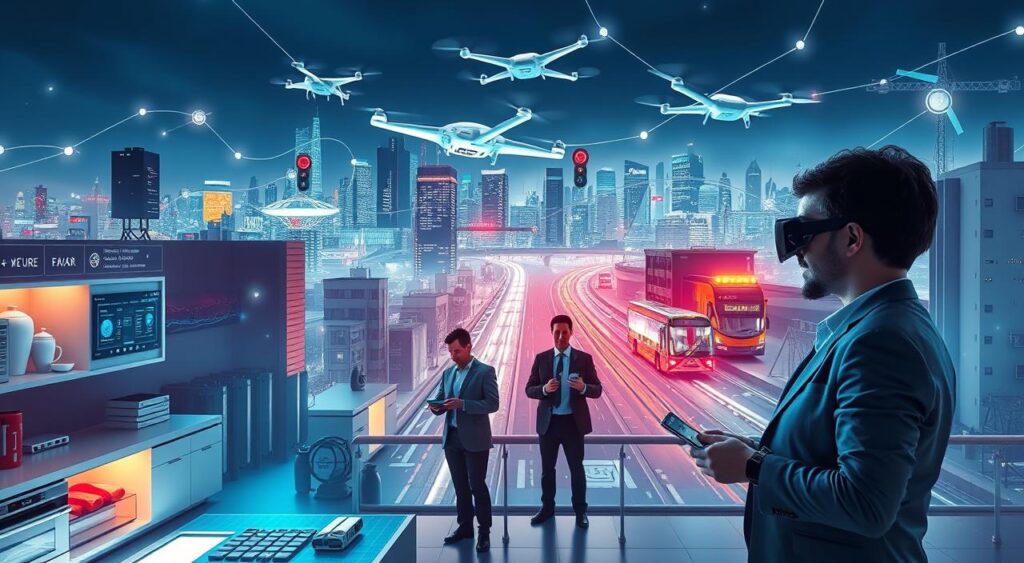
The world of education is changing fast. This is thanks to EdTech and Digital Learning. Now, more people can get good education, no matter where they are.
Technology and Innovation are key in today’s schools. They bring new ways to teach and learn. This makes school better for everyone.
Key Takeaways
- EdTech is changing education all over the world.
- Digital Learning makes quality education more available.
- Technology makes learning more fun and effective.
- It’s easier to learn in a way that fits you thanks to tech.
- Schools use EdTech to make learning better.
The Digital Revolution in Global Education
The digital revolution is changing education all over the world. Educational Technology is making old teaching ways more fun and interactive.
Learning is now different because of technology. Students and teachers are using new tools. This makes learning better for everyone.
From Traditional to Technology-Enhanced Learning
Old classrooms are becoming technology-enhanced learning environments. Now, students can find lots of info online. They can talk in virtual discussions and enjoy interactive learning.
The Acceleration of EdTech During Global Challenges
Global problems have made EdTech grow faster. Online Education is now more common. This need for online learning has led to new tech and platforms.
This fast growth shows that education can keep going even when things are tough. The right tech makes learning strong and flexible.
Technology and Innovation in Educational Settings
Technology is changing old classrooms into new, fun places to learn. This change comes from new ideas that make learning better.
Smart Classrooms and Interactive Learning Tools
Smart classrooms have cool tools like interactive whiteboards and educational software. These tools make learning fun and helpful. For example, interactive whiteboards show hard ideas in a fun way. Educational software helps students learn at their own pace.
Cloud-Based Educational Platforms
Cloud-based learning sites are getting more popular. They are easy to use and can be accessed from anywhere. This makes remote learning and collaboration easier. Teachers can also see how students are doing and give feedback quickly.
Collaborative Technologies for Student Engagement
Tools like discussion forums and group project management tools help students work together. They help students learn to solve problems and think critically.
Using these technologies, schools can make learning better for everyone. This helps students do their best.
Bridging Educational Gaps Through Digital Access
Digital access is changing education. It’s closing the gap in learning chances. Urban and rural areas used to have different learning resources. But now, digital tech is helping to bridge this gap.
Technology Solutions for Rural Schools
Rural schools have big challenges. They often lack the right tools and resources. But, technology made just for them is helping a lot.
Solar-Powered Learning Devices
Solar-powered learning devices are a green solution. They work where there’s no electricity. This lets students use digital stuff even without the internet.
Offline Content Delivery Systems
Offline content delivery systems let you learn without the internet. This is great for places with bad internet. It means learning can keep going without stops.
Inclusive Technologies for Learners with Disabilities
Technology is making education better for all. Inclusive technologies like text-to-speech and special apps help students with disabilities. They make learning easier and more fun.
- Text-to-speech software helps students with reading problems.
- Screen readers help students who can’t see to use digital stuff.
- Special learning apps give students with different needs a better learning experience.
AI and Machine Learning: Personalizing the Learning Experience
AI and machine learning are making learning better for students. Schools can now give personalized learning experiences to each student. This is because of these new technologies.
Adaptive Learning Systems and Student Progress
Adaptive learning systems change the learning material based on how well a student does. This makes sure students are learning at the right level. It helps them move forward in their studies.
For example, these systems find where a student needs help. Then, they give extra lessons or exercises. This data-driven approach helps teachers know how to help their students better.
Intelligent Tutoring Systems
Intelligent tutoring systems (ITS) are another big use of AI in schools. They give one-on-one help to students. This is like having a human tutor, but with AI.
Real-Time Feedback Mechanisms
ITS are great because they give real-time feedback. This quick feedback helps students learn from their mistakes. It makes learning better and faster.
Customized Learning Pathways
Also, ITS create customized learning pathways for each student. They match the learning style and pace of each student. This keeps students interested and motivated in their studies.
In summary, AI and machine learning are changing education for the better. They make learning more personal, effective, and fun. As these technologies grow, we’ll see even more cool things in schools.
Mobile Learning: Education in the Palm of Your Hand
Smartphones have changed how we learn. Now, we can get an education anytime, anywhere. This is called mobile learning, or m-learning.
Educational Apps Transforming Self-Directed Learning
Educational apps are key in mobile learning. They offer many tools for learning on your own. You can get school stuff, see how you’re doing, and talk to teachers and friends.
Key Features of Educational Apps:
- Interactive content
- Personalized learning paths
- Real-time feedback mechanisms
SMS-Based Education in Low-Connectivity Areas
In places with no internet, SMS education is very important. It sends texts with school stuff and updates.
| Feature | SMS-Based Education | App-Based Education |
|---|---|---|
| Connectivity Requirement | Low/No internet | Internet required |
| Accessibility | High | Moderate |
| Cost | Low | Variable |
Mobile learning uses apps and SMS to help everyone learn. It’s a big help for education all over the world.
Virtual and Augmented Reality in Education
Virtual and Augmented Reality are changing schools. They make learning fun and interactive. Students learn better and have more fun.
Immersive Field Trips and Historical Experiences
VR/AR bring field trips to class. Students can see far-off places and learn history in new ways. It makes learning stick better.
AR/VR in Science and Medical Education
VR/AR help in science and medicine. Students can practice surgeries and see the body in 3D. It’s a great way to learn.
Adding VR/AR to school makes learning exciting. It helps students learn more. As these tools get better, they will change education even more.
The Philippine Educational Technology Landscape
The Philippines is changing fast in education thanks to technology. The education sector is leading this change. Many groups are helping out.
Department of Education’s Digital Transformation Strategy
The Department of Education (DepEd) is leading the way with technology. DepEd wants to make education better with tech. They are building digital tools, giving out digital resources, and training teachers.
This plan helps solve problems in education. It makes sure students learn the skills they need today.
Filipino EdTech Startups Making an Impact
Filipino EdTech startups are making waves worldwide. They offer new ways to learn that are fun and interactive. Their work helps more people get an education.
Public-Private Partnerships in Philippine EdTech
Public and private groups are working together in EdTech. This partnership brings in new ideas and resources. It’s key to solving big education problems.
Case Study: Technology Integration in Philippine Universities
Some universities in the Philippines are using tech well. They mix old and new teaching methods. This makes learning better and reaches more students.
An education expert once said,
“Technology in education is more than just using tools. It’s about changing how we learn for today’s world.”
This shows how the Philippines is using tech to improve education. Everyone is working together for a better future.
Online Learning Platforms Transforming Global Education
Online learning platforms are changing the world of education. They let students from all over get quality education. This helps close the gap between rich and poor areas.
These platforms let students learn at their own pace. This makes learning more personal and easy to fit into busy lives. Schools around the world are now using these platforms to improve their teaching.
Global Platforms Serving Filipino Learners
Many online learning platforms are popular in the Philippines. They offer courses for all sorts of interests and goals. Sites like Coursera, edX, and Udemy let people learn from top universities.
These platforms open up new learning chances for Filipinos. They also connect learners with others worldwide. This creates a more shared and welcoming learning space.
Localized Content and Cultural Adaptation
There’s a big push for content that fits local cultures and needs. Platforms that do this well engage learners better. They make learning more fun and effective.
Local content makes hard ideas easier to grasp. It also makes learning more relevant to where learners live. This makes learning more useful and interesting.
| Platform | Localized Content | User Engagement |
|---|---|---|
| Coursera | Yes | High |
| edX | Yes | High |
| Udemy | Yes | Medium |
Preparing Students for the Digital Future
Technology in schools is more than just getting info. It’s about getting ready for a digital world. We need 21st Century Skills like thinking, creating, working together, and knowing tech.
21st Century Skills Development Through Technology
Technology helps a lot with these skills. It uses fun tools and sites for learning. This helps students solve problems and get good at using the internet.
Also, tech lets students learn at their own speed. Tools can change how hard things are based on how well you do. This makes sure everyone gets a challenge that’s just right.
Programming and STEM Education Initiatives
Learning to code and do STEM is key for the future. It gets kids excited about tech and science early on.
Robotics Programs in Philippine Schools
Robotics is becoming part of school in the Philippines. It teaches programming and hands-on learning. Kids get to make and program robots, which helps them think better and work together.
Digital Entrepreneurship Training
Digital Entrepreneurship Training is also important. It teaches kids to come up with, make, and sell digital stuff. This helps them be creative and start their own businesses. Knowing how to use tech is now a must for many jobs.
“The future belongs to those who believe in the beauty of their dreams.” – Eleanor Roosevelt
Here’s a table showing how tech in schools helps:
| Initiative | Benefits |
|---|---|
| 21st Century Skills Development | Enhances critical thinking, creativity, and digital literacy |
| STEM Education | Fosters problem-solving skills and interest in science and technology |
| Digital Entrepreneurship Training | Encourages innovation and prepares students for digital careers |
Challenges and Concerns in Educational Technology
Technology in schools is good but has problems. Schools use EdTech more, facing many challenges. These can make technology less effective.
Infrastructure and Connectivity Issues in Developing Regions
In poor areas, tech in schools is hard to get. Schools often don’t have good internet or computers. This makes learning online hard.
Teacher Training and Technology Adoption
Teachers need training to use EdTech well. But, many teachers don’t get enough training. They might not feel sure about new tech.
Data Privacy and Digital Safety for Students
EdTech makes schools worry about student data. Schools must keep student info safe. They need to protect against online dangers.
Conclusion: The Future of Technology-Enhanced Education
Technology has changed how we learn. It makes learning easier, more personal, and better. We see technology’s big role in education’s future.
The future of EdTech looks good. New tech like AI, VR, and mobile learning will make learning even better. We’ll see more flexible and inclusive learning.
In the Philippines, the Department of Education is using technology more. EdTech startups are also growing. This shows progress in education.
It’s important for teachers, leaders, and tech experts to work together. This way, we can make education better for everyone. Technology will help make education fair and effective for all.